How to Buy a House in Your Twenties
Buying a house in your 20s can feel completely out of reach, especially when you're hearing about high home prices, mortgage rates, and how much money you supposedly need to have saved.
But you may be closer than you think.
You don't necessarily need a 20% down payment, perfect credit, or a huge salary to buy your first home in the Charlotte area. What you do need is a realistic understanding of what you can afford, how much cash you'll need upfront, and whether buying makes sense for your life right now.
I'm Bethany, a Charlotte Realtor who has helped first-time buyers across the greater Charlotte NC and SC area for more than a decade. Here's how I walk my buyers through it.
1. Figure Out How Much Cash You Actually Need
One of the biggest misconceptions I hear from first-time buyers is that they need 20% down.
You don't necessarily need anywhere close to that.
Depending on the loan program you qualify for, you may be able to buy with a much smaller down payment. FHA loans allow as little as 3.5% down, some Conventional loans go as low as 3%, and VA and USDA loans may allow 0% down if you qualify. I've had clients buy with 3%, 3.5%, 5%, 10%, and 20% down.
Just remember that your down payment isn't the only cash you'll need. You'll also want to budget for:
Closing costs
Inspection and appraisal
Earnest money and/or due diligence fees depending on your state
Moving expenses
Initial repairs, furniture, and other new-home expenses
The goal isn't just to qualify for the house. It's to comfortably afford living in it.
2. Talk to a Lender Before You Start House Hunting
You don't need to wait until you've found the perfect house to talk to a lender. In fact, do this early.
A good lender can look at your income, debt, credit, and savings and give you an idea of what you may qualify for. They can explain the different loan programs and tell you if there's anything you could do now, like paying down a debt or improving your credit, to put yourself in a better position.
If you have student loans, a newer job, or income that isn't a standard salary, a lender can also tell you how those affect your approval. These things come up a lot for buyers in their 20s, and they're usually more workable than people expect.
I'd much rather have someone find out six months before they want to buy that they should pay down a particular debt than discover it after they've already fallen in love with a house.
I'll connect you with trusted local lenders who can compare rates and closing costs and show you what down payment makes sense for you.
3. Decide What Monthly Payment YOU Are Comfortable With
Getting approved for a certain purchase price doesn't mean you need to spend that much.
Work backward from the monthly payment that feels comfortable to you.
Remember that your housing payment can include more than principal and interest. Depending on the property and your loan, you'll also need to consider property taxes, homeowners insurance, mortgage insurance, and possibly HOA dues.
You still want money left over to travel, go out to dinner, save, invest, and generally have a life. Buying a house shouldn't make you house-poor.
My lenders can calculate all of this for you, so you'll know what the monthly payment would be at any price point.
4. Choose a Realtor Before You Seriously Start Touring Homes
A good buyer's agent does a lot more than unlock doors.
Your agent can help you understand neighborhoods, evaluate properties, spot potential resale concerns, structure an offer, negotiate, navigate inspections, and guide you through the process from contract to closing.
Buyer representation has also changed over the years. Buyers working with an agent now sign a written buyer-agency agreement before touring homes together. That agreement explains the agent's services and compensation. I'm happy to walk you through exactly how it works before you sign anything.
Ready to start touring in the Charlotte area? Reach out here and we'll map out your first steps.
You can also learn more about what the home buying process looks like when you work with me.
5. Make Your Needs List, Then Be Realistic About It
Your first house probably isn't going to be your forever house. And that's completely fine.
Instead of looking for a "dream home," separate your list into:
Needs: location, number of bedrooms, commute, yard, school district, etc.
Wants: renovated kitchen, two-car garage, giant primary bathroom, perfect backyard, bonus room, and everything else Pinterest has convinced you that you need.
If you love the neighborhood, would you sacrifice the two-car garage? If the house has the layout and yard you want, could you eventually update the kitchen?
Your first purchase should meet your important needs, fit comfortably within your budget, and make sense for your longer-term goals, even if it isn't perfect.
6. Start House Hunting
Now comes the fun part.
Tour homes with your agent, but also use the process to learn. You may discover that the neighborhood you thought you wanted isn't actually your favorite. You may realize you'd rather have an older house with character than a newer townhome. Or that you'd gladly sacrifice square footage to be closer to restaurants and things to do.
The first few houses you tour aren't just potential purchases. They're helping you figure out what matters to you. Once the right house comes along, you'll be much more prepared to recognize it.
In the Charlotte area, that might mean comparing (a few examples, e.g., a townhome in South End versus a starter home in Matthews). Each area has its own tradeoffs in price, commute, and lifestyle.
7. Understand What Happens After You Find "The One"
Finding the house is only one part of buying it.
Your agent will help you evaluate comparable sales, decide on your offer terms, and negotiate with the seller. Once you're under contract, you'll move through inspections, financing, appraisal, and all the other pieces that need to come together before closing. In both North Carolina and South Carolina, an attorney handles the closing, so you'll have that expertise on your side too.
You shouldn't be expected to know how all of this works the first time you buy a house. That's what your Realtor, lender, and attorney are there for.
So, Should You Buy a House in Your 20s?
Maybe.
Buying young can give you more time to build equity and can be a great financial move. But don't assume you're years away from buying just because you don't have a massive down payment sitting in the bank.
Sometimes the best first step is simply figuring out what the numbers would look like.
Ready to Buy in the Charlotte Area?
If you're planning to buy a home in the Charlotte NC or SC area, reach out and let's talk through your game plan. I'll help you figure out where to start, who to talk to, and what your first steps should be.
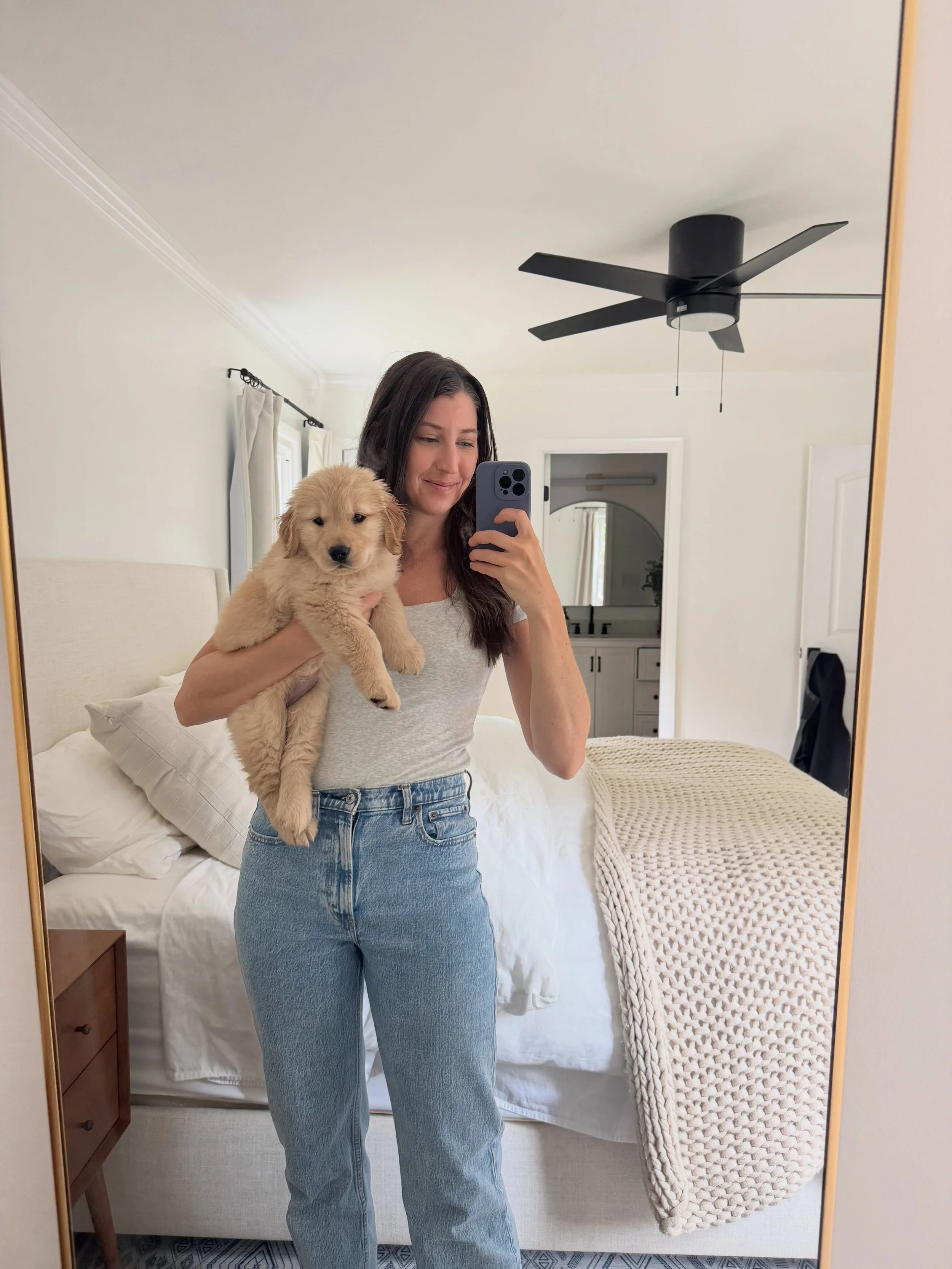
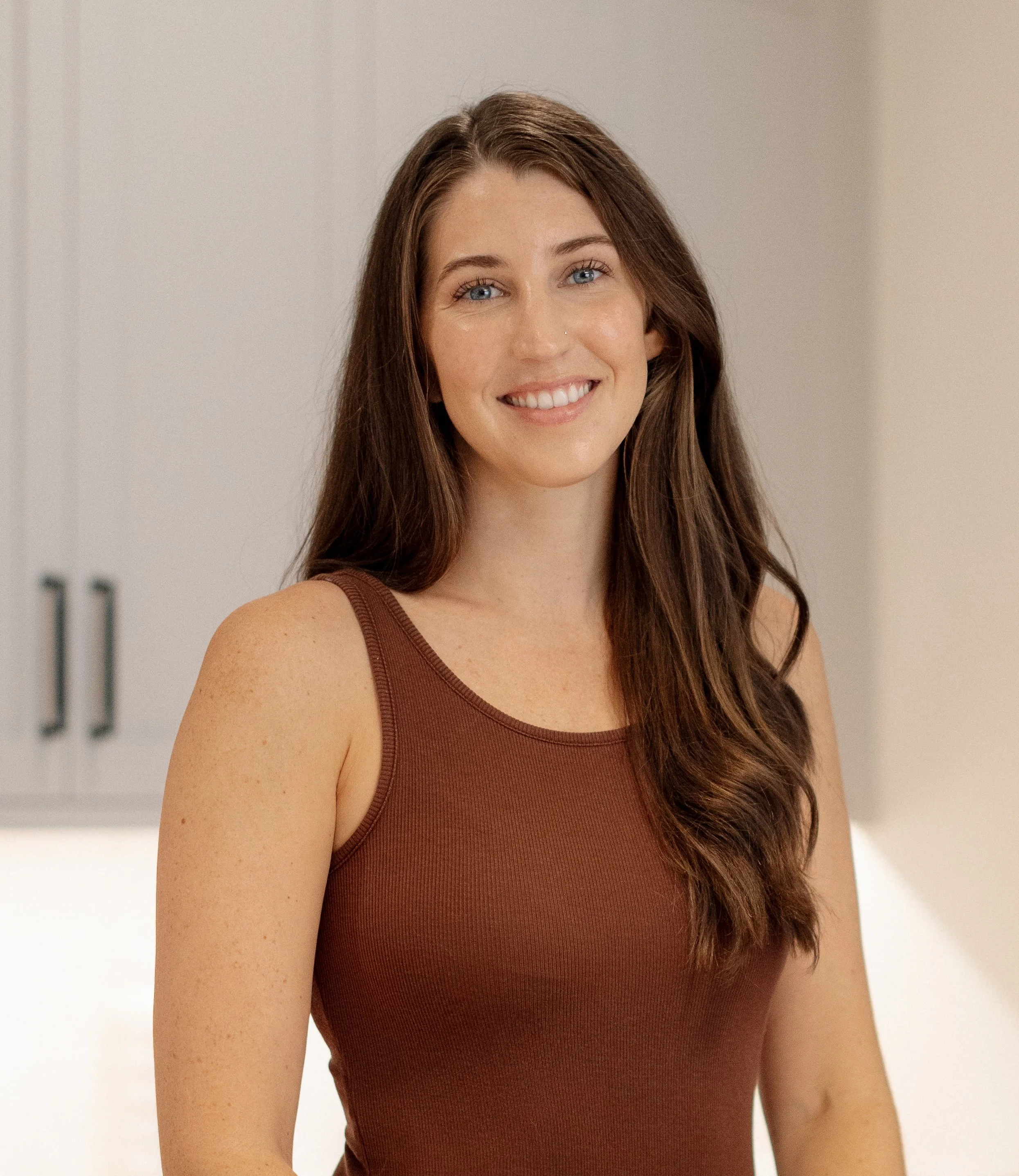
Hi! I’m Bethany
I’m a Realtor with 12 years of experience helping buyers and sellers throughout the greater Charlotte, NC and SC area.